Connectors
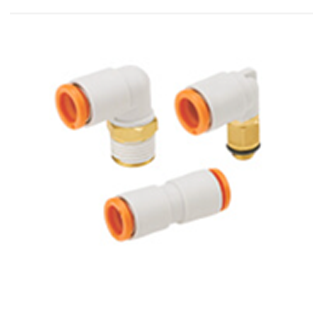
Pneumatic Connectors & Couplings
Secure, Leak-Free Interfaces for Compressed Air Systems
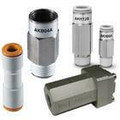
A reliable source of superior-quality components is vital for operational uptime. Pneumatic connectors—often called compressed air fittings—ensure airtight integrity between hoses, valves, and cylinders, serving as the critical links in industrial automation.
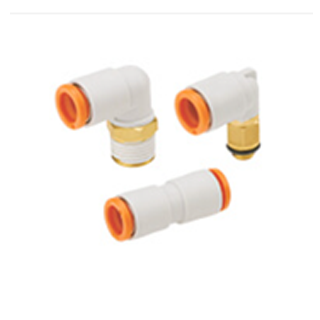
Anatomy of a Pneumatic Connection
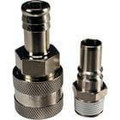
Pneumatic couplings primarily consist of a socket and a nipple. These precision-engineered parts utilize internal seals, such as high-performance O-rings, to prevent pressure loss and maintain system efficiency across manufacturing and automotive applications.
Diverse Fitting Configurations
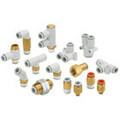
Push-in Fittings
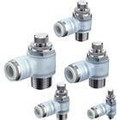
The most popular industrial choice. Features a "push-to-connect" mechanism with an internal grabbing claw that secures the tube without tools.
Quick Connect Couplers
Designed for rapid assembly and disassembly. Spring-loaded valves automatically engage and seal the connection upon insertion.
Compression & Barb
Compression fittings use a nut and ferrule for high-pressure seals, while barb fittings grip the ID of flexible tubing for low-pressure use.
How Quick Connectors Work
When the nipple enters the socket, spring-loaded valves engagement creates an instant seal. As system pressure increases, the valves further tighten the seal against the seat. Disconnection is achieved by simply pulling back the release collar, which disengages the internal valves without loss of pressure.
Selection Material Guide
The right material depends on your environment:
- Brass: Durable and corrosion-resistant, ideal for standard industrial air.
- Stainless Steel: Required for washdown, medical, or corrosive chemical environments.
- Plastic/Composite: Lightweight and cost-effective for clean, low-stress automation circuits.